AI art styles: 16 style words and what each one changes
By The NeutronField editorsPublished Updated
Run on Gemini API (gemini-3.1-flash-image), 2026-11-02, one run per style
Short answer
A style word changes far more than colour. In our sixteen runs of one lighthouse prompt, painting words changed texture, photography words moved the camera and the light, print words brought text and signatures with them, and render words turned the scene into a model. Keep the subject fixed, add one style phrase, and say what it must not add.
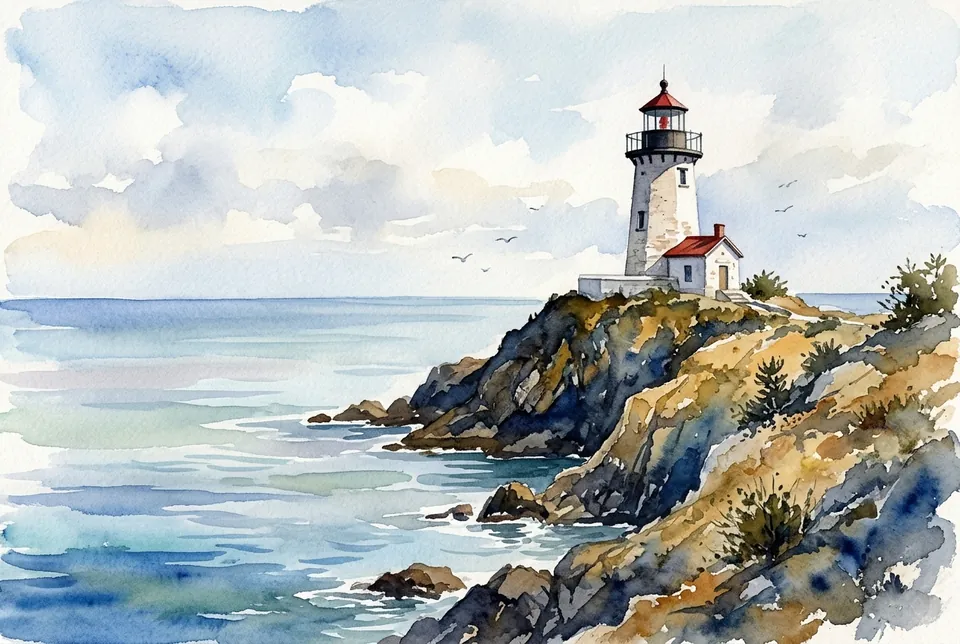
watercolour
▸ 30NF 07
How a style word works
A style word is a shortcut to everything the model has seen labelled with it. "Watercolour" brings soft edges and paper texture; "linocut" brings carved lines and two inks. Google's own prompt templates for its image models put the style or medium after the subject and setting, which is the order we used here (Gemini API docs).
Subject first, style last
A lighthouseon a rocky point above a calm sea, linocut printin two colours, no text.
1SubjectKeep it the same while you compare styles.
2SettingWhere the subject is.
3Style or mediumOne phrase.
4LimitColours, lines or finish.
5ExclusionWhat the style tends to drag in.
One subject, sixteen styles
Prompt pattern
A lighthouse on a rocky point above a calm sea, [style phrase].
Run on Gemini API, gemini-3.1-flash-image (Nano Banana 2) · 2026-11-02 · one run per style, nothing else changed
5 STYLES
Painting and drawing
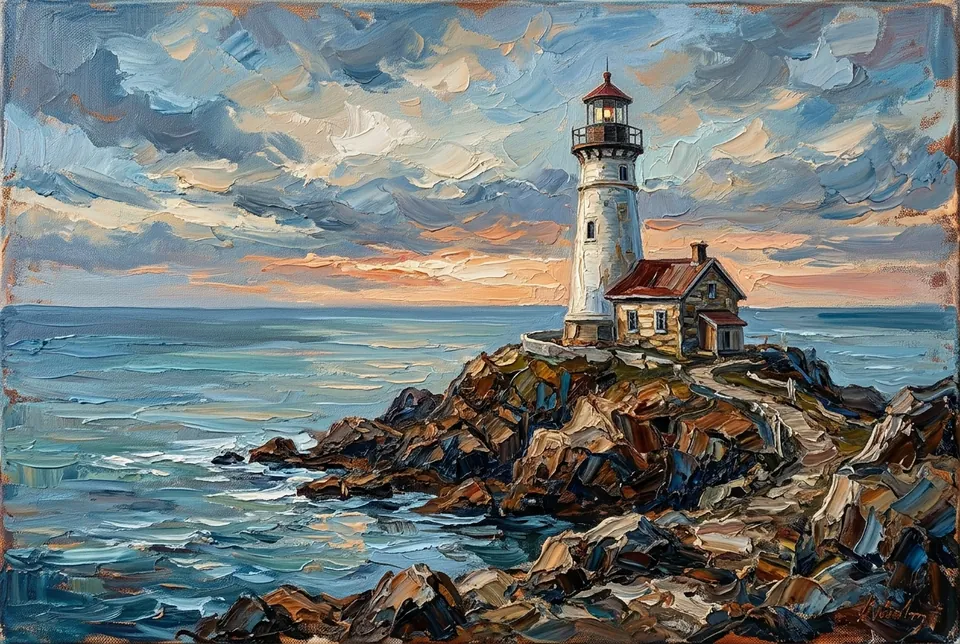
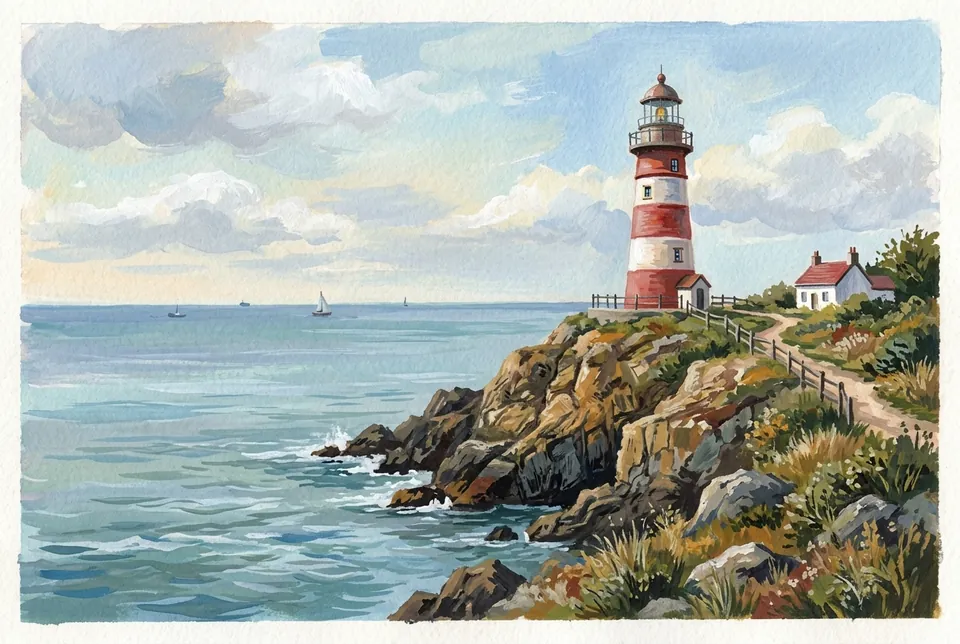
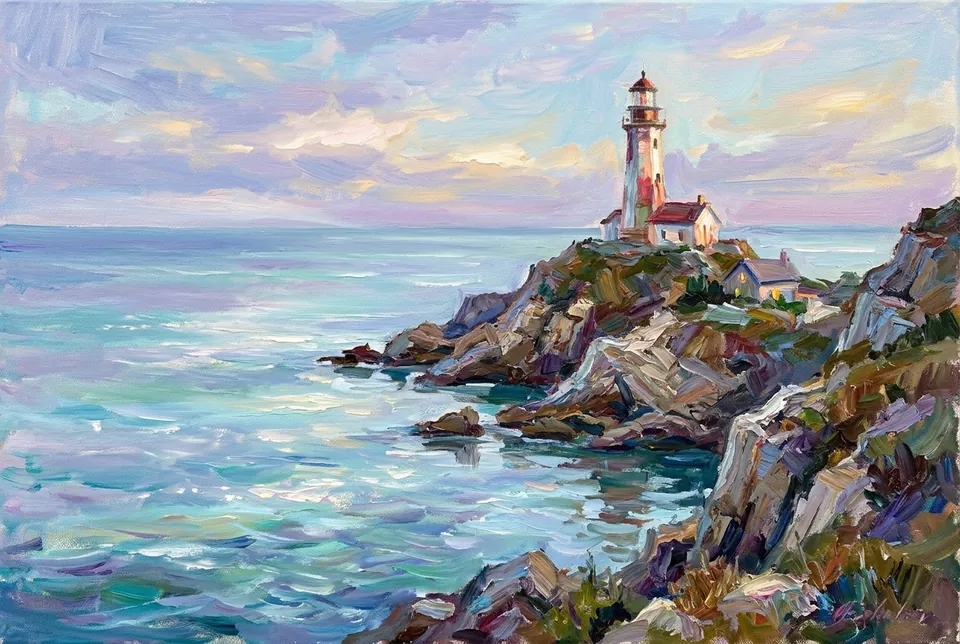
Medium words change texture first: edges, paper, paint thickness.
watercolour painting
▸ 30watercolour
oil painting with visible impasto brushstrokes
▸ 31oil, impasto
gouache illustration
▸ 32gouache
Impressionist painting
▸ 33Impressionist
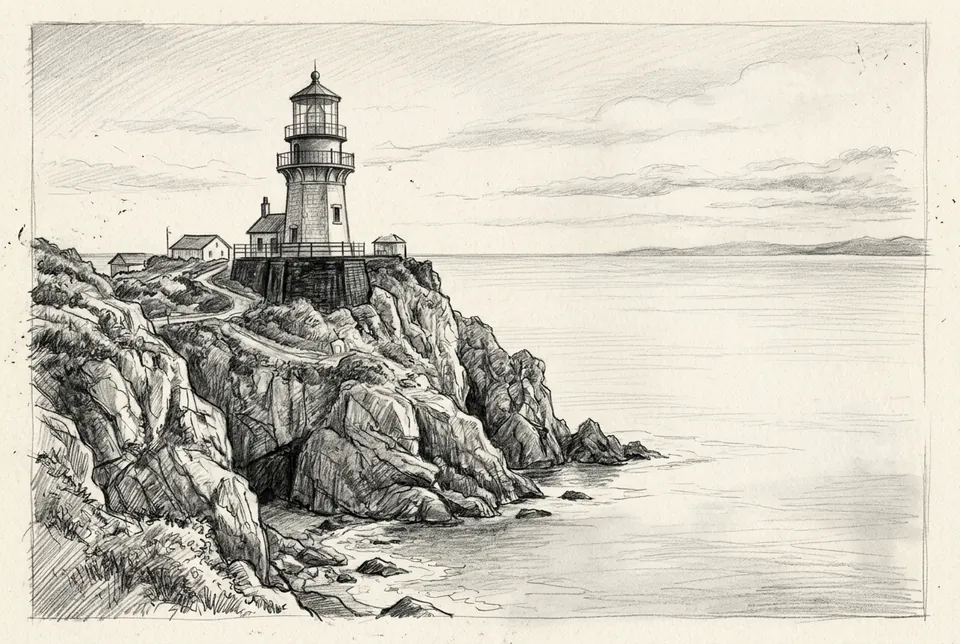
pencil sketch on paper
▸ 34pencil
The same subject with one style phrase added. Run on Gemini API, gemini-3.1-flash-image, 2026-11-02.
Impasto and Impressionist both pushed the colour towards sunset pastels without being asked; watercolour and gouache kept the daylight of the plain prompt. Pencil sketch dropped colour entirely and added a ruled border, as if drawn in a sketchbook.
4 STYLES
Photography
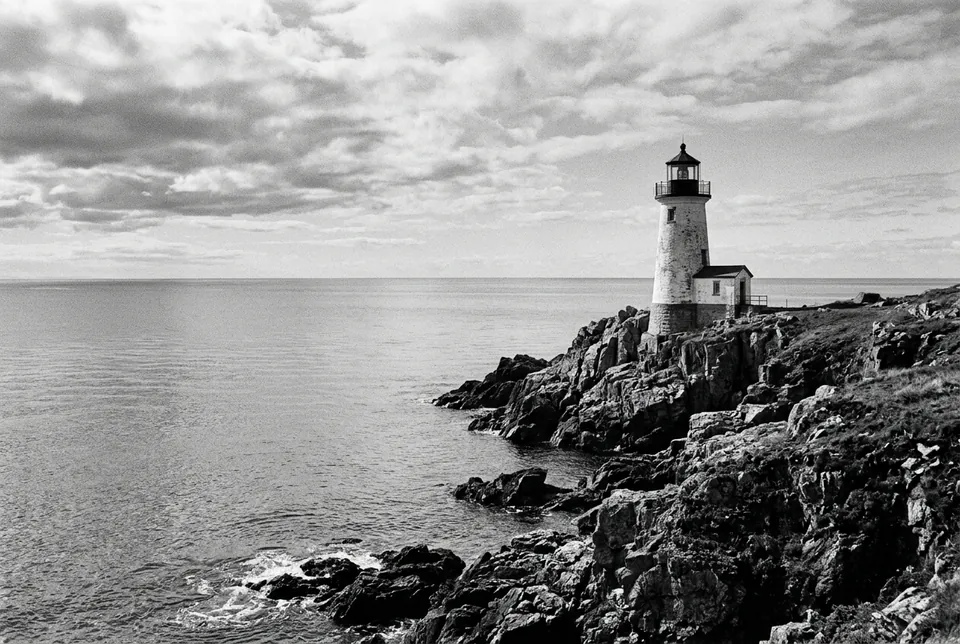
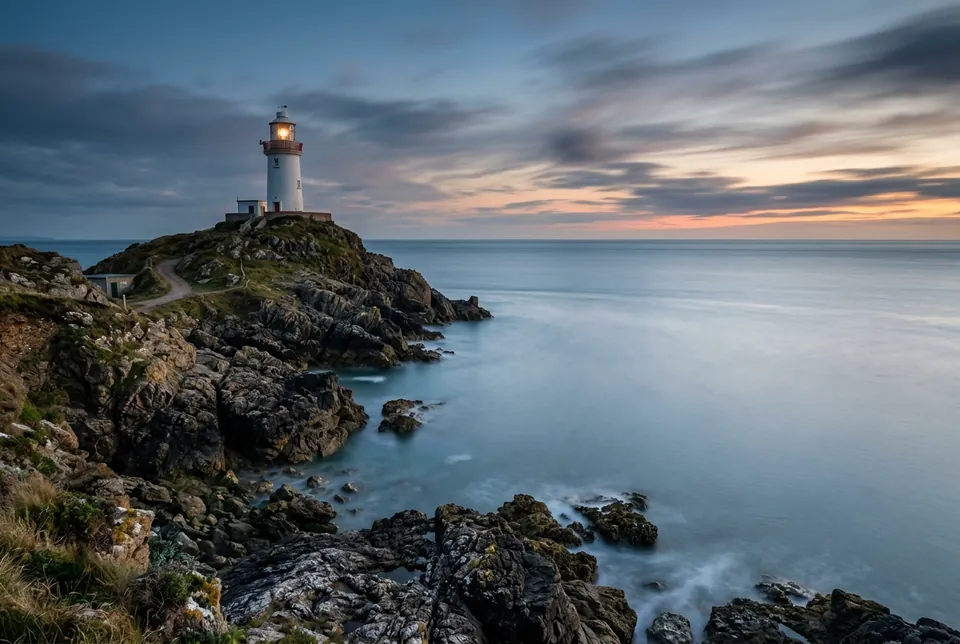
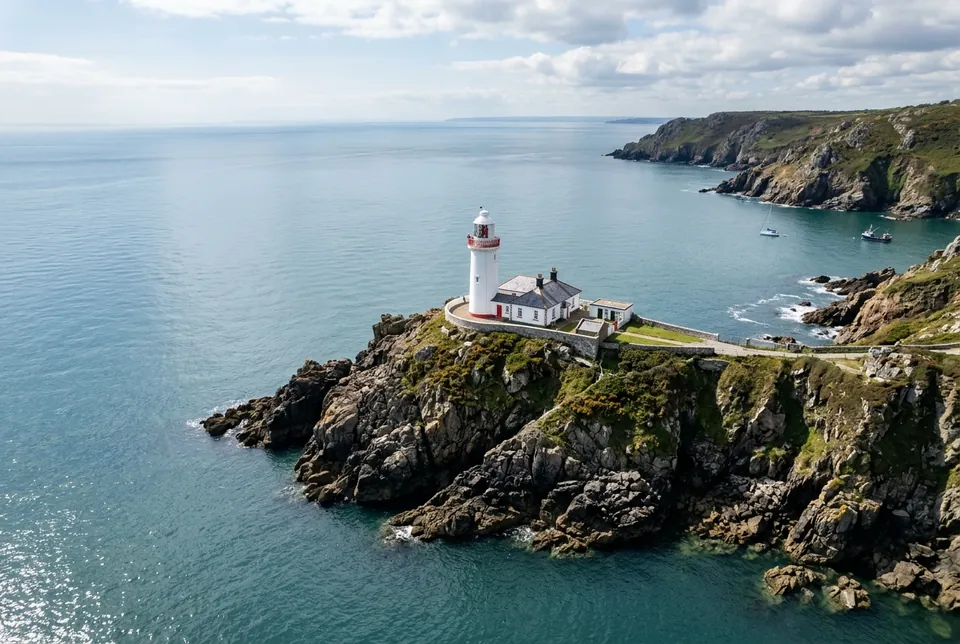
Photographic words change the camera, not the drawing: viewpoint, light and finish.
black and white film photograph
▸ 35b/w film
long exposure photograph
▸ 36long exposure
aerial drone photograph
▸ 37aerial
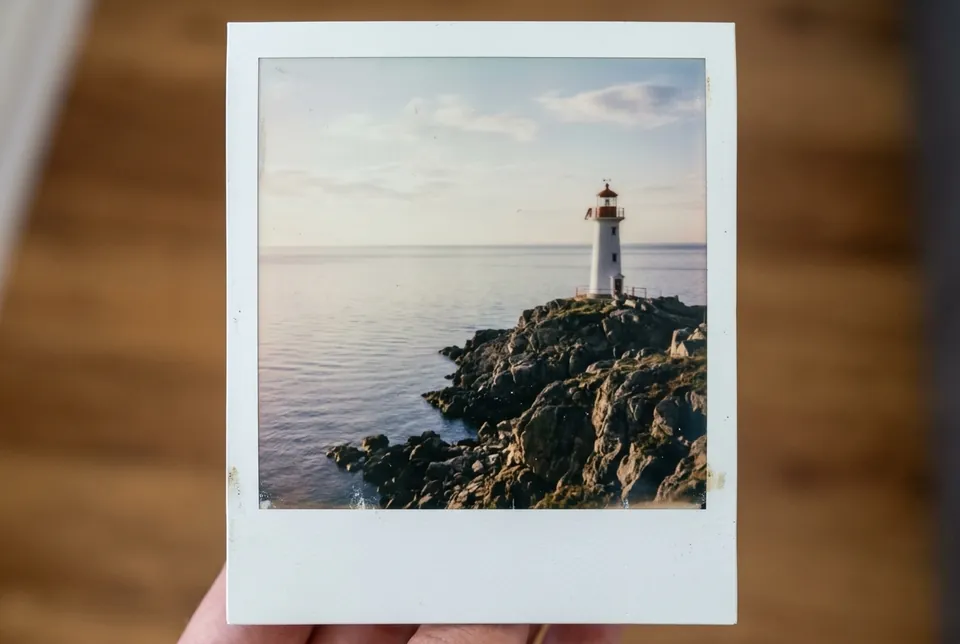
Polaroid instant photo
▸ 38instant photo
The same subject with one style phrase added. Run on Gemini API, gemini-3.1-flash-image, 2026-11-02.
Long exposure smoothed the sea and lit the lamp at dusk, because that is how such photos are usually taken. Aerial moved the camera overhead. The instant-photo phrase was read literally: the model drew a hand holding a print, so describe the look you want (soft colour, white border) if you do not want the object.
5 STYLES
Graphic and print
Print words bring their production limits with them: flat colour, carved lines, few inks.
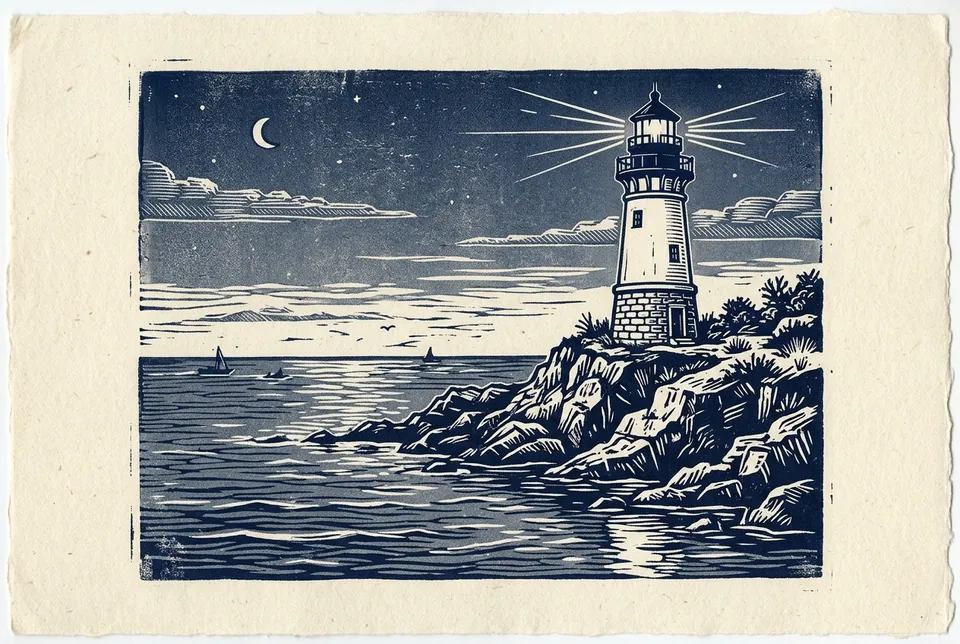
linocut print in two colours
▸ 39linocut
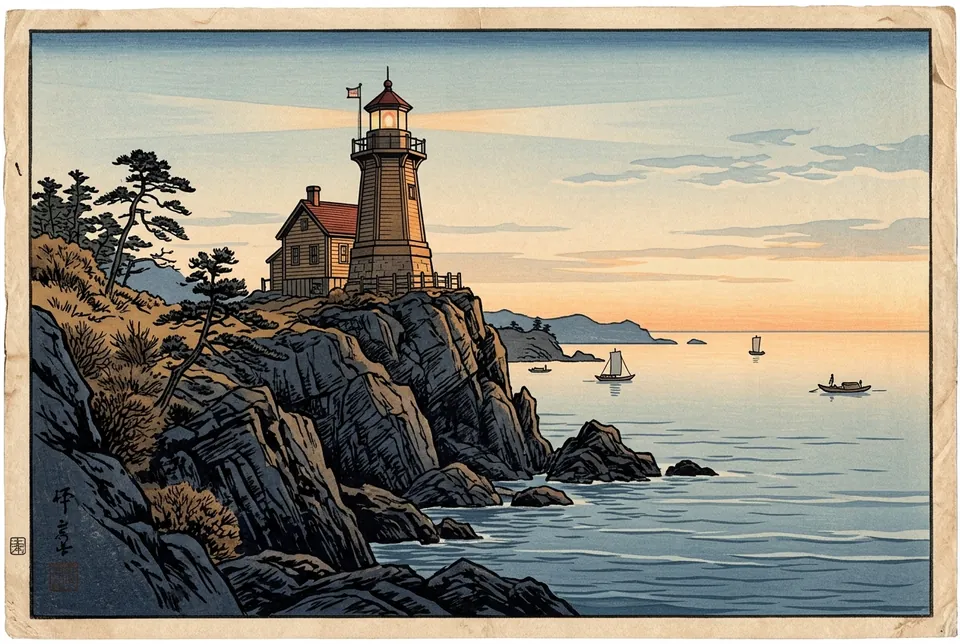
woodblock print
▸ 40woodblock
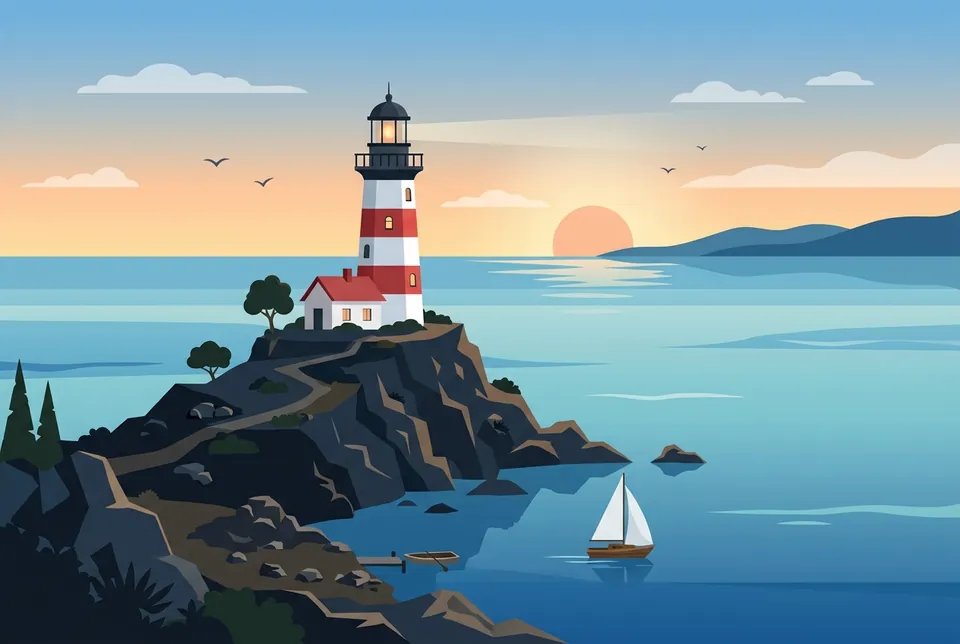
flat vector illustration
▸ 41flat vector
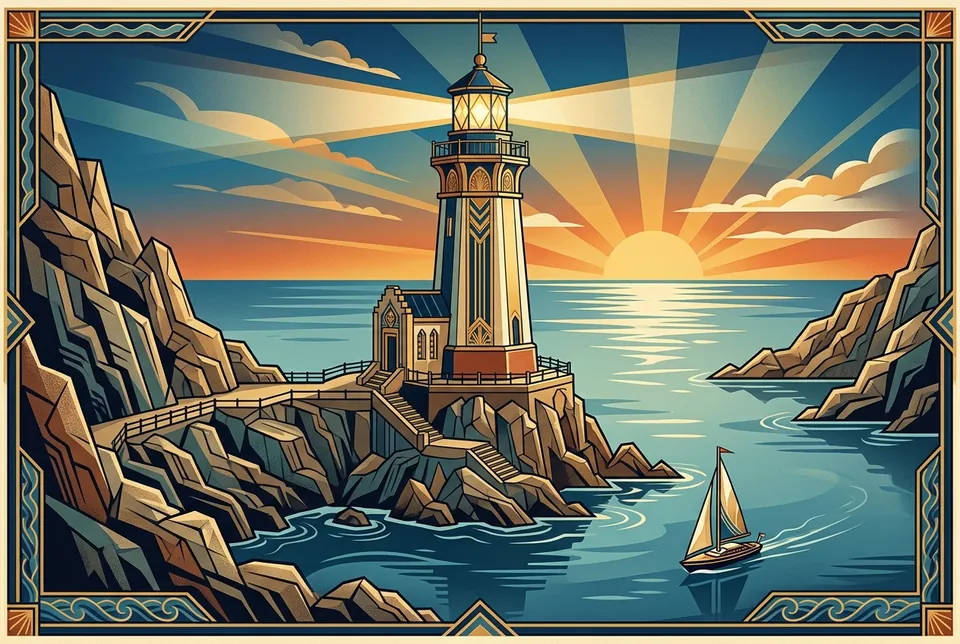
Art Deco style
▸ 42Art Deco
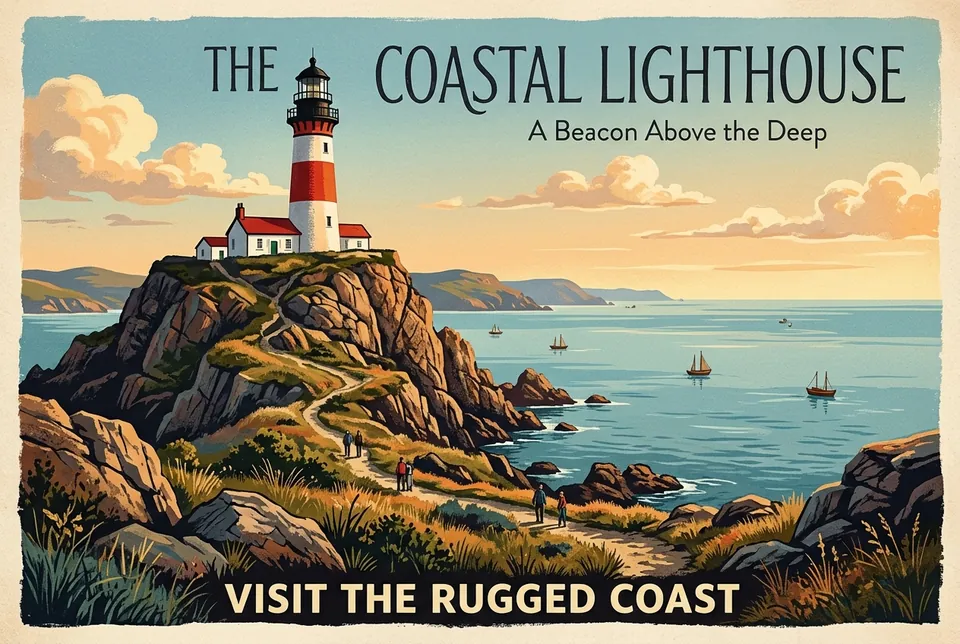
vintage travel poster
▸ 43travel poster
The same subject with one style phrase added. Run on Gemini API, gemini-3.1-flash-image, 2026-11-02.
Travel poster invented a headline and a slogan we never asked for, and we left out a sixth print style, ukiyo-e, because that frame painted on signature seals in the manner of a real artist. Period and poster styles carry text and signatures with them; say "no text" when you use them.
2 STYLES
3D and render
Render words change the object itself, not just its surface.
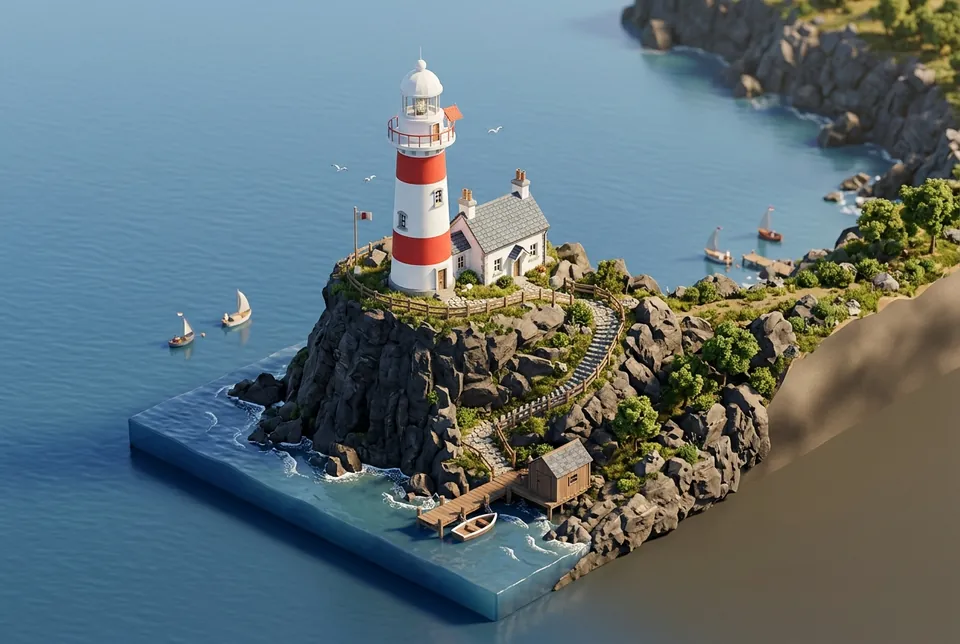
isometric 3D render
▸ 44isometric
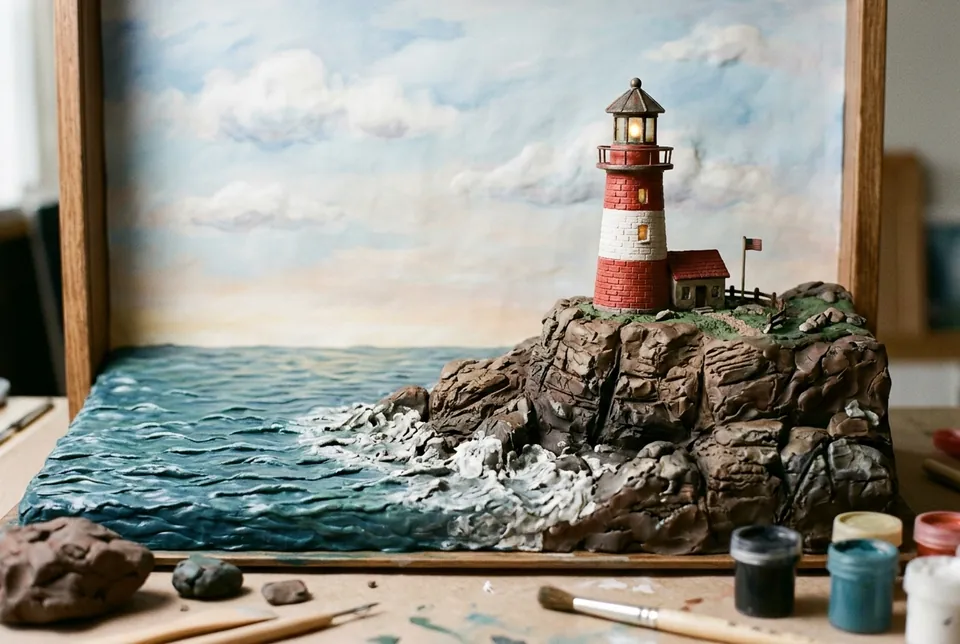
clay model diorama, stop-motion look
▸ 45clay
The same subject with one style phrase added. Run on Gemini API, gemini-3.1-flash-image, 2026-11-02.
Isometric turned the scene into a model on a square block of sea; the clay phrase built a physical diorama and added the paints and brushes around it. Both are still recognisably the same headland, which shows how strongly the subject words hold.
What each family changes
From the sixteen frames on this page, 2026-11-02.
Style family
What changes
What it drags in
Painting and drawing
Texture, edges, paper, paint thickness
Sunset colour with oil and Impressionist words
Photography
Viewpoint, light, time of day, finish
Literal objects (a print in a hand) for format words
Graphic and print
Colour count, outlines, flatness
Headlines, slogans, signatures and seals
3D and render
The object becomes a model or diorama
Bases, props and tools around the model
Combining styles, and common mistakes
Stacking styles
Two or three style phrases average each other out. Pick one and add a limit, such as two colours or soft edges.
Forgetting what a style carries
Posters and period prints come with text and signatures; say "no text" and check the corners.
Format words for looks
A camera or film format can be drawn as an object. Describe the look instead.
Living artists' names
Naming a living artist borrows their work, and sites such as Adobe Stock refuse prompts and keywords that use artists' names (Adobe Stock). Use the movement or the medium instead; see selling AI images.
linocut
▸ 39NF 07
What the linocut frame carries
Signal
Yes
No
Content credential
marked
not marked
Invisible watermark
marked
not marked
Metadata fields
not marked
marked
Prompt saved in file
not marked
marked
Checked on 2026-11-02 with c2pa-rs (c2pa-python). A painted or printed look does not change the record: the file is signed by Google as AI-generated, like every frame on this page.
There is no single best style; each family changes something different. In our tests painting words changed texture, photography words changed viewpoint and light, print words reduced colour and added text, and render words built a model.
Where should the style go in a prompt?
After the subject and setting. Google's own prompt templates follow that order, and it keeps the subject stable while you try different styles.
Can I combine two art styles?
You can, but the styles average out. One style phrase plus a limit, such as two colours or soft edges, gave us clearer results.
Why did my AI poster get random text?
Poster and print styles are associated with lettering, so models add headlines, slogans and signatures. Say no text, and check the corners for invented signatures.
Should I use artist names as style words?
Prefer movements and media. Naming living artists borrows their work, and some marketplaces, such as Adobe Stock, refuse prompts and keywords that use artists' names.