Photorealistic prompts: realistic results, and why realistic images need the clearest labels
By The NeutronField editorsPublished Updated
Run on Gemini API (gemini-3.1-flash-image, gemini-3-pro-image) and OpenAI image API (gpt-image), 2026-11-02
Short answer
For photorealistic results, describe the photograph rather than asking for realism: name the lens, the viewpoint, one light source and a plain finish. Keep hands simple and text to a few quoted words. Realistic images also need the clearest labels, so keep the original file with its content credential.
frame 18A
▸ 18ANF 05
Camera, lens and light words
Realism comes from describing a photograph, not from asking for one. Google's template for photorealistic scenes names the shot, the subject, the setting, the light, the camera angle and the lens (Gemini API docs). The same five parts work across the models we tested; for painted and printed looks instead, see AI art styles, and for chat models, ChatGPT and Gemini prompts.
One prompt, five parts
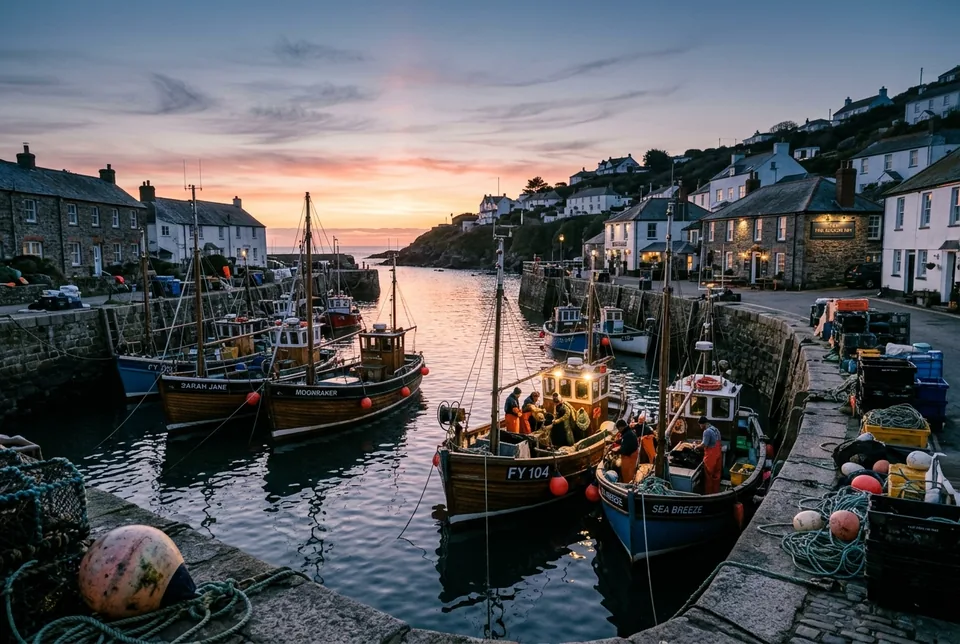
A small fishing harbour at dawn, photographed on a 35mm film camera with a 50mm lens at f/8from the end of the pier. Low sun from the left, long shadows, fine grain, true colour, nothing stylised.
1SubjectWhat is in front of the camera.
2Camera and lensFormat, focal length, aperture.
3ViewpointWhere the photographer stands.
4LightOne source, its direction and time.
5FinishGrain and colour; rule out styling.
Worked examples
EXAMPLE 1
Camera words against none
One plain sentence, then the same scene with a camera, lens, viewpoint and light added.
Prompt · frame 16 (plain)
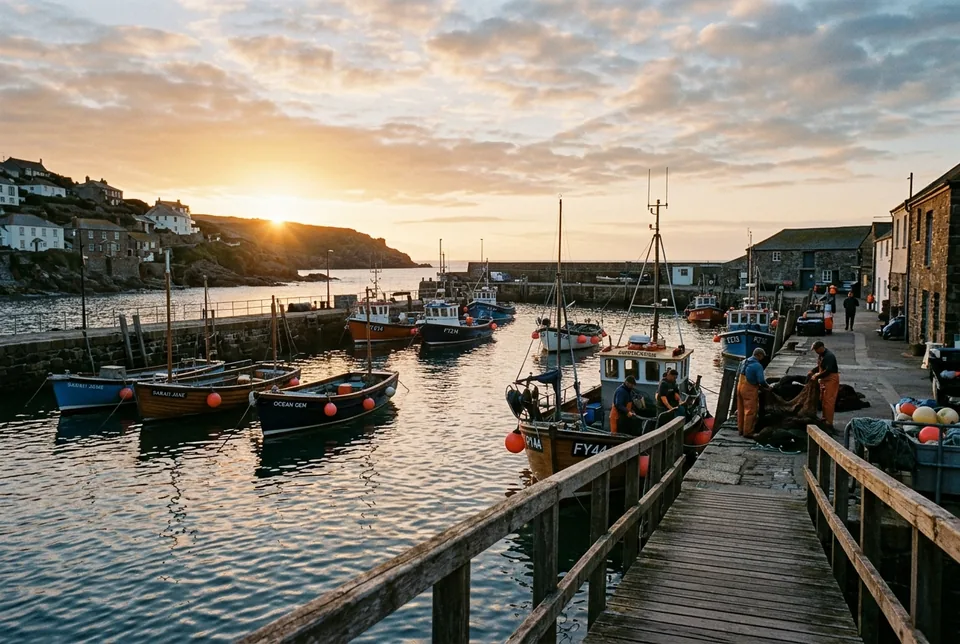
A small fishing harbour at dawn.
Run on Gemini API, gemini-3.1-flash-image (Nano Banana 2) · 2026-11-02
Prompt · frame 16A (camera words)
A small fishing harbour at dawn, photographed on a 35mm film camera with a 50mm lens at f/8 from the end of the pier. Low sun from the left, long shadows, fine grain, true colour, nothing stylised.
Run on Gemini API, gemini-3.1-flash-image (Nano Banana 2) · 2026-11-02
frame 16
▸ 16NF 05 · REJECT
frame 16A
▸ 16ANF 05 · KEPTkeeper
Frames 16 and 16A: same model, same day. Frame 16A kept; frame 16 rejected.
Model
gemini-3.1-flash-image
Aspect
3:2
Size
1264 by 848
Seed
Not exposed
Frame 16A is kept: the camera words gave a believable viewpoint from the pier, a single low sun and softer colour. The plain prompt gave a postcard: every boat lit, the sky pushed to pink. Naming a lens and a viewpoint did more for realism than the word photorealistic would have.
EXAMPLE 2
Hands, the old weak spot
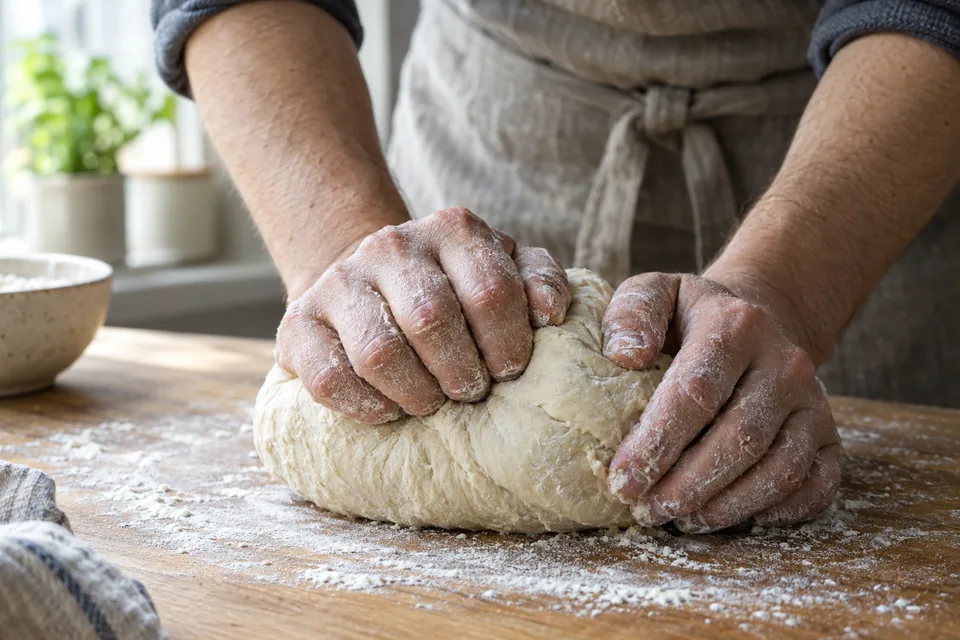
Hands used to give generated photos away. We asked two current models for both hands in frame, close up.
Prompt · frames 17 and 17A
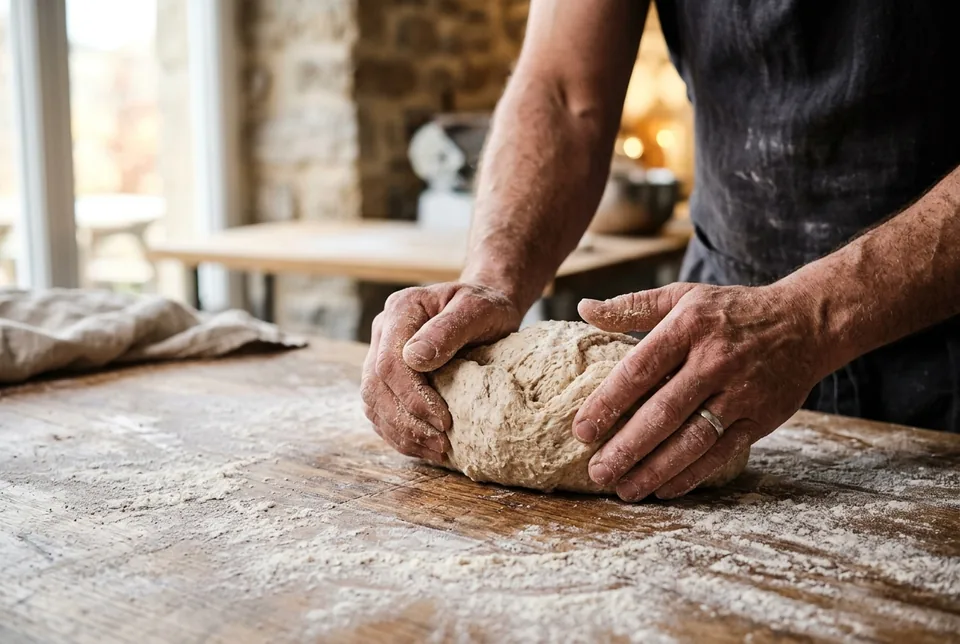
Close photograph of a baker's floury hands kneading a ball of bread dough on a wooden table, both hands fully in frame, morning window light, 85mm lens, natural skin texture.
Run on Gemini API, gemini-3.1-flash-image (Nano Banana 2) · 2026-11-02 (17); Run on OpenAI image API (gpt-image) · 2026-11-02 (17A)
frame 17
▸ 17NF 05
frame 17A
▸ 17ANF 05 · KEPTkeeper
Frames 17 and 17A: one prompt, two models. Frame 17A kept for the flour and skin detail.
Models
gemini-3.1-flash-image; gpt-image
Aspect
3:2
Fingers
Five per hand, both frames
Seed
Not exposed
Both models drew two hands with five fingers each and believable knuckles. Two frames prove little on their own, but asking for both hands fully in frame and naming the lens kept the pose simple, which is where models still slip.
EXAMPLE 3
Text on an object
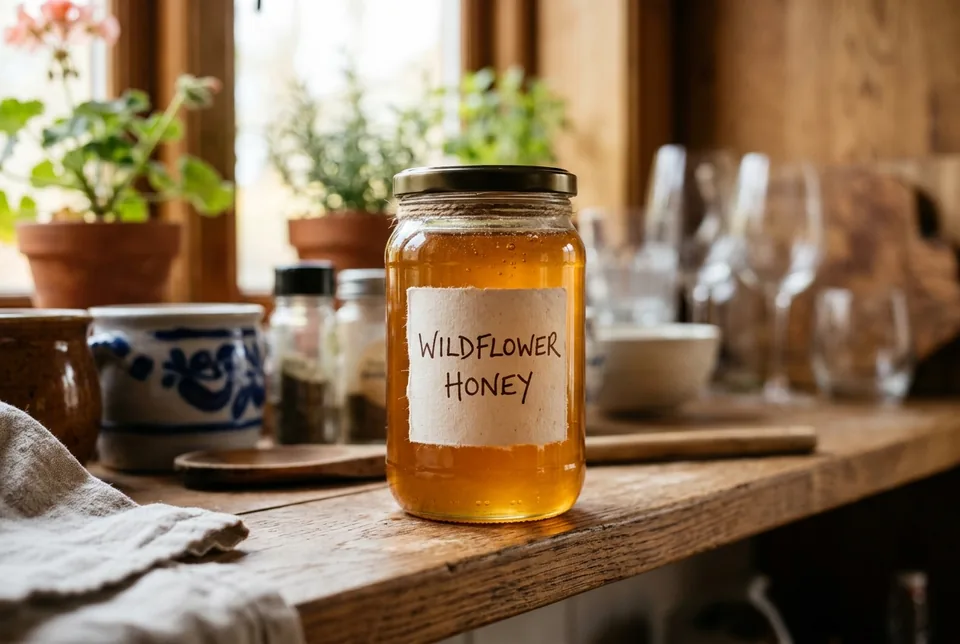
Short printed or handwritten text is now a realistic detail rather than a giveaway. We asked for a two-word label.
Prompt · frames 18 and 18A
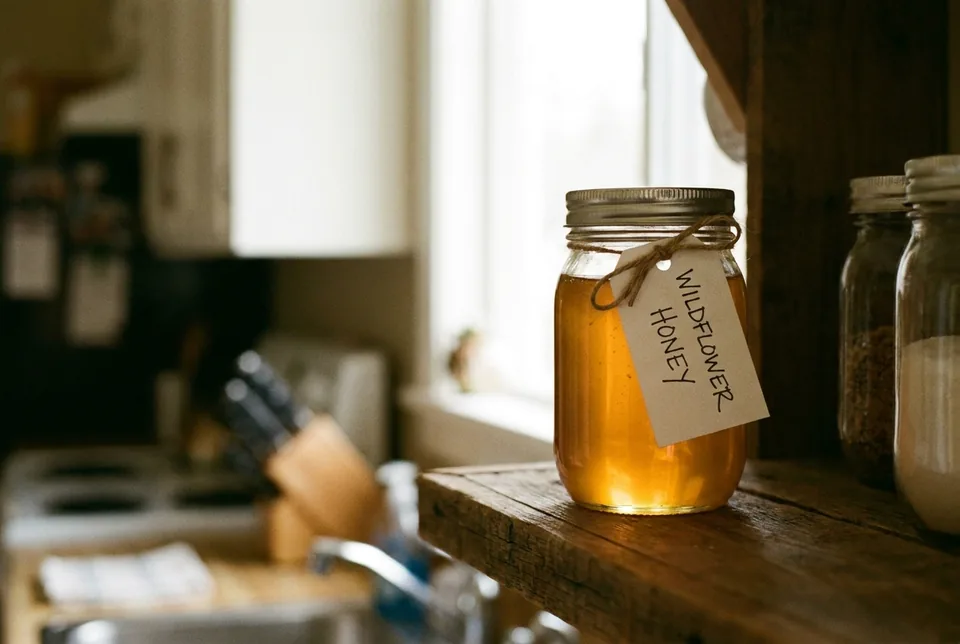
A photograph of a glass jar of honey on a kitchen shelf with a handwritten paper label that reads exactly: WILDFLOWER HONEY. Soft daylight, shallow depth of field, 50mm lens.
Run on Gemini API, gemini-3.1-flash-image (Nano Banana 2) · 2026-11-02 (18); Run on Gemini API, gemini-3-pro-image (Nano Banana Pro) · 2026-11-02 (18A)
frame 18
▸ 18NF 05
frame 18A
▸ 18ANF 05 · KEPTkeeper
Frames 18 and 18A: both labels spelled correctly. Frame 18A kept for the depth of field.
Models
gemini-3.1-flash-image; gemini-3-pro-image
Aspect
3:2
Quoted text
2 words
Seed
Not exposed
Both spelled the label exactly. Quote the words, keep them short, and say where they go; the Pro model chose a hanging tag, which reads more naturally than a flat sticker.
Words that change a photo
Terms and what they do in a realistic prompt, from our runs on 2026-11-02.
Term
What it does
Use it for
Focal length (35mm, 50mm, 85mm)
Sets how wide the view is and how much the background compresses
Wide scenes, everyday views, close detail
Aperture (f/1.8, f/8)
Shallow or deep focus
Isolating a subject, or keeping a scene sharp
Viewpoint
Fixes where the camera stands, which models otherwise choose for you
Any scene with a clear setting
Single light source
Stops the even, everything-lit look of generated images
Interiors, portraits of objects, dawn and dusk
Film or grain
Adds texture and softens the clean digital finish
Anything meant to look like a snapshot
"Nothing stylised"
Steers away from saturated, painterly colour
Keeping a photo plain
Common mistakes
Asking for "photorealistic"
The word alone gave us nothing a lens and a viewpoint did not do better.
Too many light sources
Golden hour, neon and studio light in one prompt gives the overlit look that reads as generated.
Busy hands and faces
Complicated poses are still where models slip. Keep hands simple and fully in frame.
Long text
Two or three words render well; a paragraph on a sign usually does not. Quote the words exactly.
Realistic people, and how realistic images get labelled
The more an image looks like a photograph, the more the rules around it matter. Realistic pictures of real, identifiable people raise consent and likeness questions that no prompt technique answers; our real people in prompts page covers them. The examples on this page avoid faces on purpose.
Platforms label realistic AI content where they can detect it. YouTube requires creators to disclose AI-generated or altered content that seems realistic, such as a real person appearing to say something they did not, and it applies an AI label automatically to content that contains C2PA metadata (YouTube Help). That is one reason the content credential in the original file matters: a re-saved copy has lost it, and with it the automatic label. See what your AI image carries and edited with AI.
frame 16A
▸ 16ANF 05 · KEPT
What frame 16A carries
Signal
Yes
No
Content credential
marked
not marked
Invisible watermark
marked
not marked
Metadata fields
not marked
marked
Prompt saved in file
not marked
marked
Checked on 2026-11-02 with c2pa-rs (c2pa-python). Signed by Google; the credential records "Applied imperceptible SynthID watermark". No prompt in the file.
Describe how the photo was taken: the lens, the aperture, where the camera stands and one light source, then add grain and say nothing should be stylised. In our test that did more than the word photorealistic.
Can AI image models draw hands correctly now?
In our runs both models drew two hands with five fingers each when asked for a simple pose with both hands in frame. Complicated poses are still where mistakes appear.
Can AI put readable text in a photo?
Short text, yes: both Gemini models spelled a two-word label correctly for us. Keep it to a few quoted words and check every letter.
Are realistic AI images labelled automatically?
Sometimes. YouTube applies an AI label to uploads that contain C2PA metadata and requires creators to disclose realistic AI content. A re-saved copy without the credential is not labelled automatically.
Do photorealistic AI images carry a watermark?
Images from Google's and OpenAI's models carry an invisible watermark and, in the original file, a signed content credential. Our frame 16A held Google's credential, which records the watermark.